About · The Destination

Bhutan

A small Himalayan kingdom that has spent five centuries getting one thing
right: the art of living well.
Bhutan · Info.

The last Shangri-La.
Entirely real.

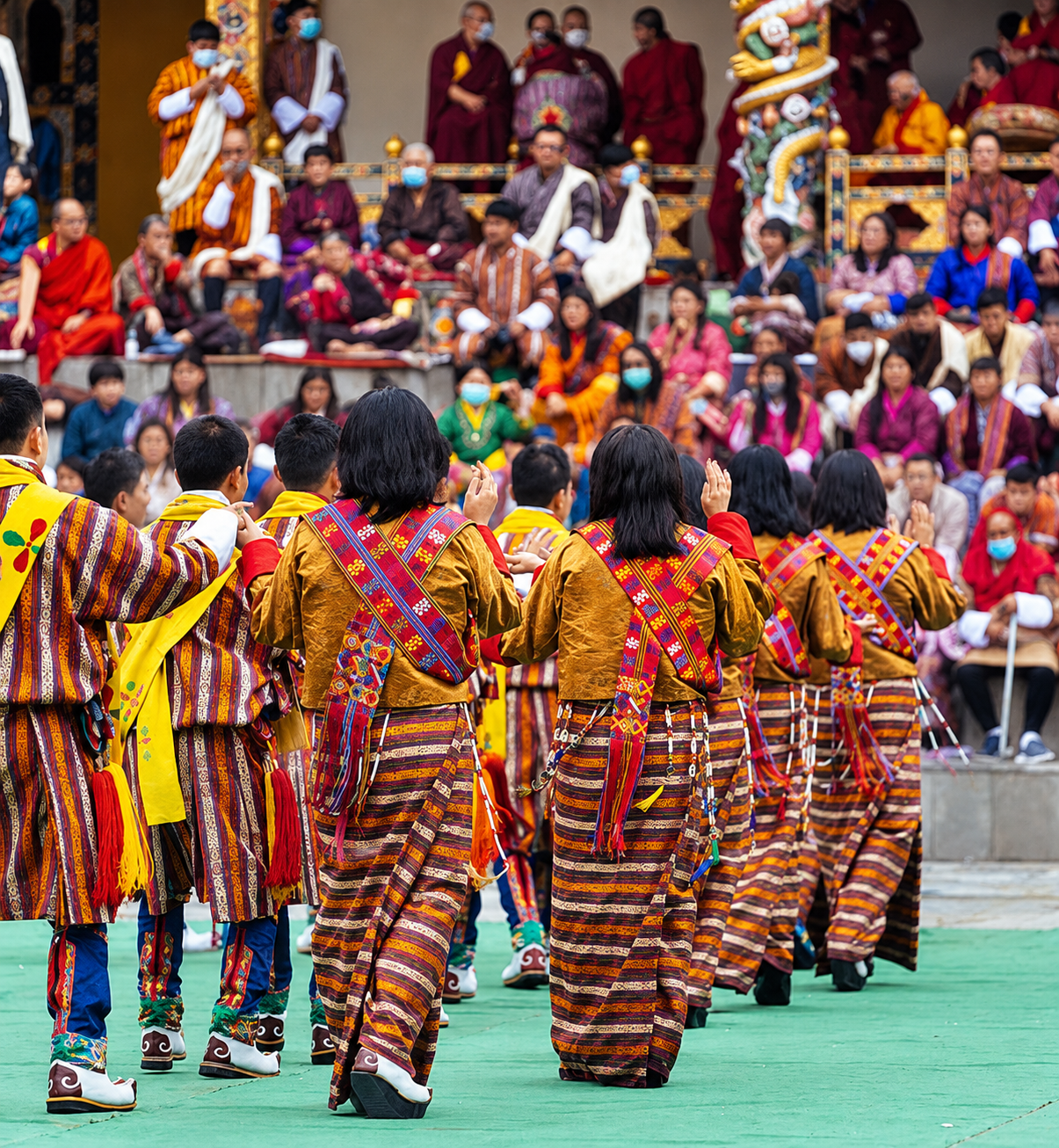
Bhutan opened its doors to international tourism in 1974. Before that, it had remained one of the world’s most isolated countries, gradually beginning to modernise only in the decades before. Its monasteries and cultural traditions had remained remarkably well preserved, while vast forests escaped the kind of large-scale exploitation seen elsewhere in the region. Even today, Bhutan carefully controls the pace and character of tourism.

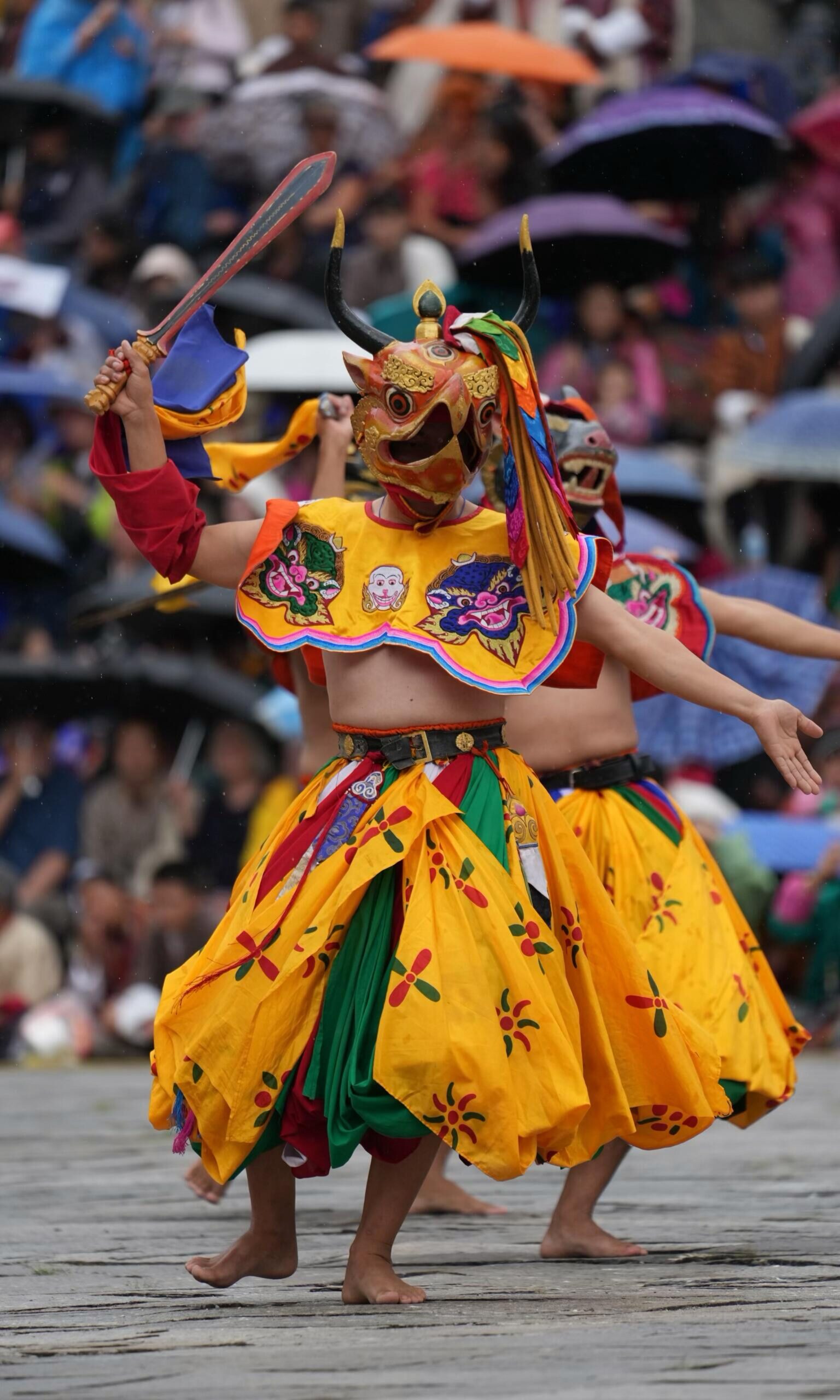
The result is a country that can feel as though it arrived from a different era — not because it is primitive, but because it chose to develop on its own terms. There are smartphones and highways here, but also monks who have memorised ancient texts, and villages where traditional rhythms still shape daily life.

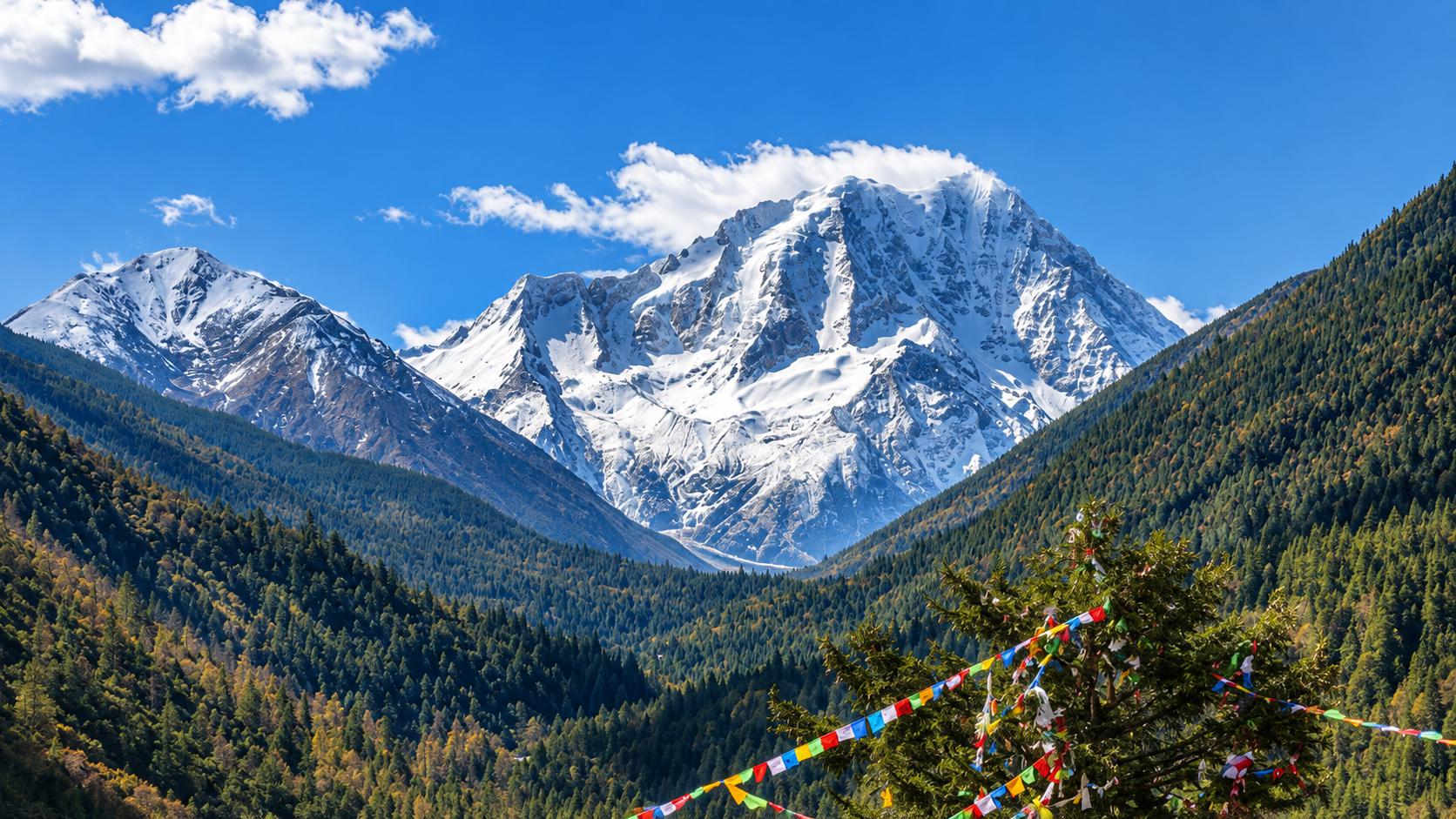
Bhutan is unlike any other destination on earth. Tucked into the eastern Himalayas between India and Tibet, it is one of the last places where an entire nation has chosen to protect its culture, environment and way of life ahead of unchecked growth. Bhutan measures its progress not only in GDP, but in Gross National Happiness (GNH) — a philosophy that shapes everything from its tourism policy to its constitution, which mandates that at least 60% of the country remain forested.

For travellers, this means something rare: a country that has deliberately stayed slow, spiritual and largely unspoiled. Acho Travels exists to help you experience that — Bhutan's peace, its people, its nature and its culture — rather than move through it as a checklist.

Vajrayana Buddhism GNH Philosophy Constitutional Monarchy Carbon Negative Never Colonised
Why Bhutan is Unique

Four facts that define a kingdom.

GNH

Gross National Happiness

Bhutan is the only country in the world to measure its success not by GDP, but by Gross National Happiness — a constitutional mandate to balance economic growth with cultural preservation, environmental conservation, good governance, and the wellbeing of its people.

60%

Carbon Negative

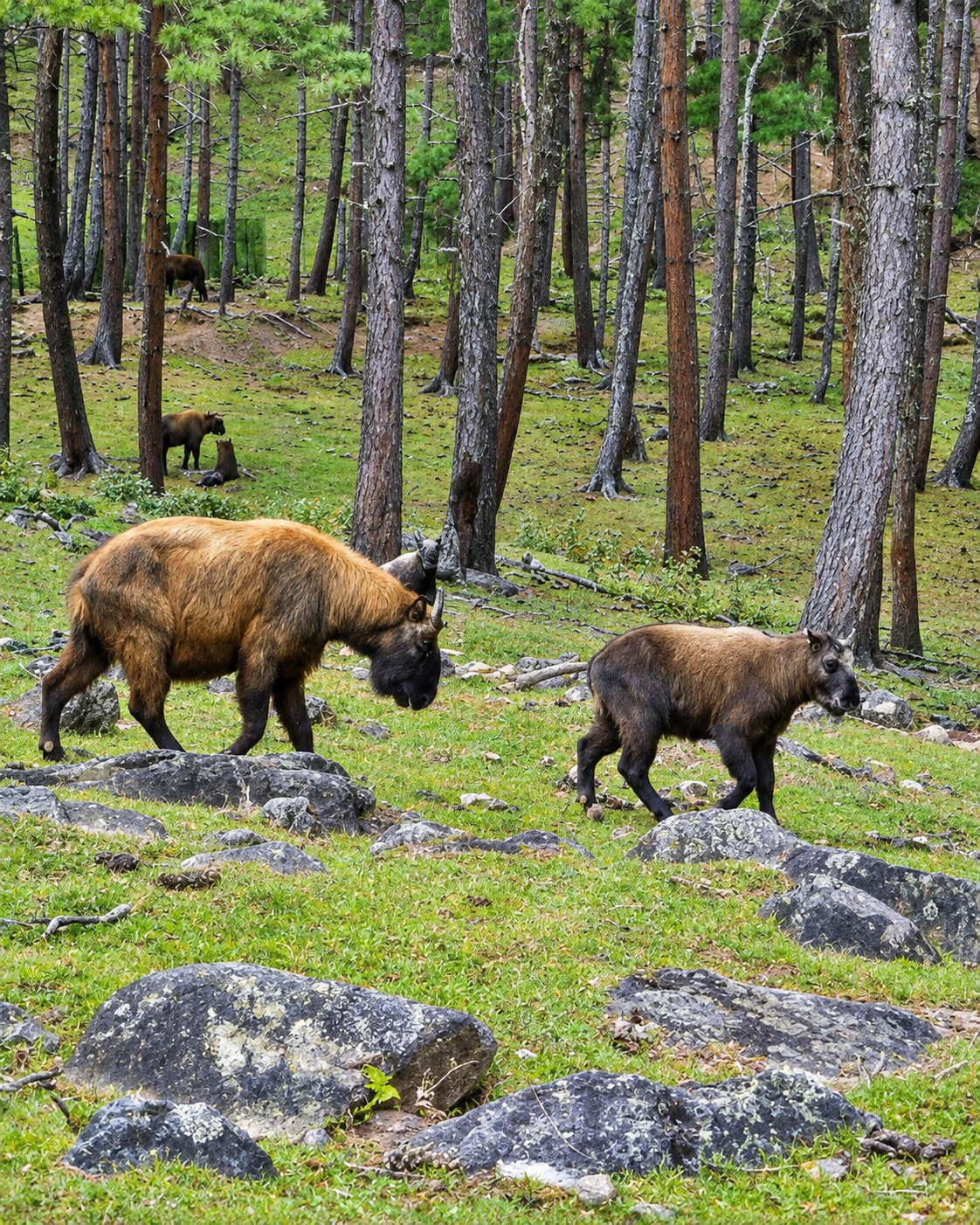
Bhutan is one of only three carbon-negative countries on Earth. Its constitution mandates that a minimum of 60% of its land remain under forest cover — currently at 72%. The country absorbs three times more carbon than it produces.

Never

Never Colonised

Bhutan has never been colonised by a foreign power — a rare distinction in Asia. Its sovereignty was maintained through strategic diplomacy and geographic isolation. The culture, architecture, religion, and language you encounter today are entirely homegrown and uninterrupted.

HV/LI

High Value, Low Impact

Bhutan deliberately limits tourist numbers through its Sustainable Development Fee — not to exclude, but to protect. Every visitor contributes to conservation, local employment, and infrastructure.

Discover

What's there to explore.
Scroll horizontally to explore · 6 categories
At a Glance
Capital
Thimphu
Area
38,394 km²
Population
~800,000
Currency
Ngultrum (BTN)
Language
Dzongkha
Religion
Vajrayana Buddhism
Time Zone
BTT (UTC+6)
Visa
Pre-approval required